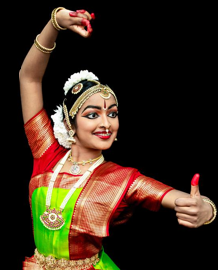
Have you ever heard of Karate? Well, a Bharatanatyam Arangetram is very similar to a Karate Black Belt! A Bharatanatyam Arangetram is a solo, debut stage performance of a classical Indian dancer. This ceremony marks the rigorous training a student completes under a guru (teacher). Arangetrams typically last between two to three hours. The event allows the dancer to express their emotions and stamina as well.
Latest Posts
Mastery of the Art Form: A True Milestone
The Four Brothers Who Shaped Bharatanatyam — And Why Every Festival Dancer Should Know Their Names
When a dancer steps onto the stage at the DMV Youth Festival — feet stamping, eyes speaking, arms tracing the geometry of ancient stories — they are continuing a tradition shaped in large part by four brothers from Tanjore nearly two centuries ago.
The DMV Youth Bharatanatyam Festival 2026 Is Here — And You Don't Want to Miss It
We are thrilled to announce the DMV Youth Bharatanatyam Festival 2026, coming to the Washington DC Metro Area on December 12, 2026 — welcoming young Bharatanatyam dancers from across the United States.
Curious About Bharatanatyam? The Kennedy Center Has a Beautiful Introduction
Curious about the art form at the heart of this festival? The Kennedy Center put together a beautiful introduction to Bharatanatyam — right here in our backyard in Washington DC.